
Over the past 18 months, we have worked together with Machakos Palliative Care Unit to help men in need of palliative care to access services earlier. At the start of the project, palliative care was widely misunderstood and often associated only with death and dying. Many men feared that accepting support meant giving up on treatment or showing weakness, while cultural expectations discouraged open discussion about pain, emotional distress and serious illness.
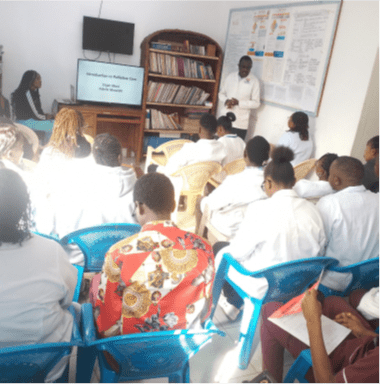
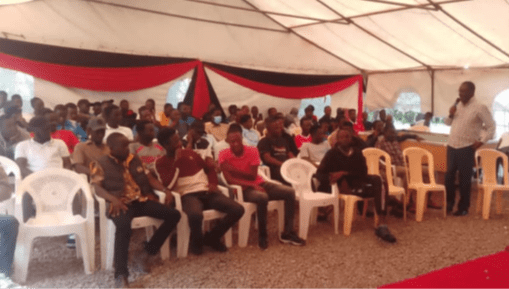
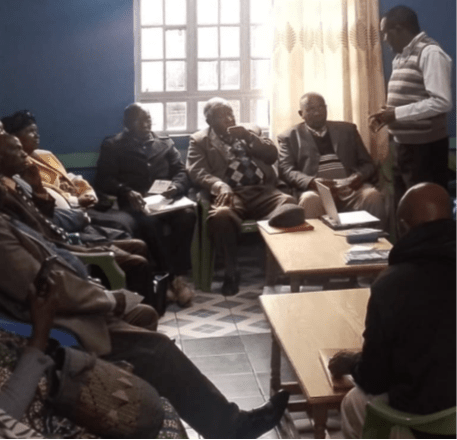
Through community awareness sessions, health worker training and strengthened referral systems, the project helped challenge stigma and improve understanding of palliative care among both communities and healthcare providers. A total of 177 health workers were trained on tailoring palliative care services to men’s health needs, while 98 male community leaders took part in awareness and sensitisation activities.
The training helped shift perceptions among health workers themselves. One nurse involved in the project reflected:
“Before the training, I mostly thought of palliative care as something provided only when curative treatment had stopped. Through the project trainings, I learned that palliative care can be introduced much earlier and can be integrated alongside other treatments.”
Religious and community leaders also played an important role in reshaping public understanding. One Imam who participated in the project explained:
“I learned that palliative care is not about giving up, but about supporting a person to live as well as possible, even with serious illness.”
As awareness increased, health workers observed gradual but important changes in behaviour. Men became more willing to discuss pain, stress and emotional concerns during consultations, while families became more open to referrals and support. One nurse noted:
“Men are still reserved, but many are now more open during consultations. They talk about pain, sleep problems, and stress more freely.”
These changes contributed to a significant increase in service uptake. Over the course of the project, Machakos saw a 100% increase in the number of men accessing palliative care services, with an average of 80 men per month receiving care by the end of the project. Health workers also reported signs of earlier referral and engagement with care, improving opportunities for symptom management and psychosocial support.
The project also demonstrated clear improvements in quality of life for both patients and carers, particularly in reducing fear, emotional distress and isolation. Palliative care patient Hassan described the impact on his life and family:
“My pain has reduced, my fear has lessened and I begin to feel more at peace. I’ve also started speaking openly with my family, something I had never done before” ~ Hassan, palliative care patient
The project showed that changing attitudes around masculinity, illness and palliative care is possible through sustained community engagement, faith leadership and strengthened health services.
This work is made possible thanks to our supporters in the UK. To help more people in Kenya in need of palliative care please donate today.