WELCOME – KARIBU!

Hospice Care Kenya seeks to raise funds for the work of hospices in Kenya. We hope that these pages will explain what we do and demonstrate the difference your support can make to those in need of palliative care in Kenya.

RADIO FOUR APPEAL – SEPTEMBER 2012: THANK YOU FOR YOUR GENEROSITY.

Mike Wooldridge, BBC World Affairs Correspondent and HCK Patron, made an Radio 4 appeal on behalf of HCK and KEHPCA to raise funds for palliative care of children in Kenya. The appeal was broadcast in September 2012. The tapescript and other interviews can be heard using links on the Featured Items page.  Hospice Care Kenya would like to thank all those who donated and we look forward to reporting back with stories on how your money was spent.


IF ONLY THEY KNEW …  by Catherine Aguoga, Nurse, Nairobi Hospice

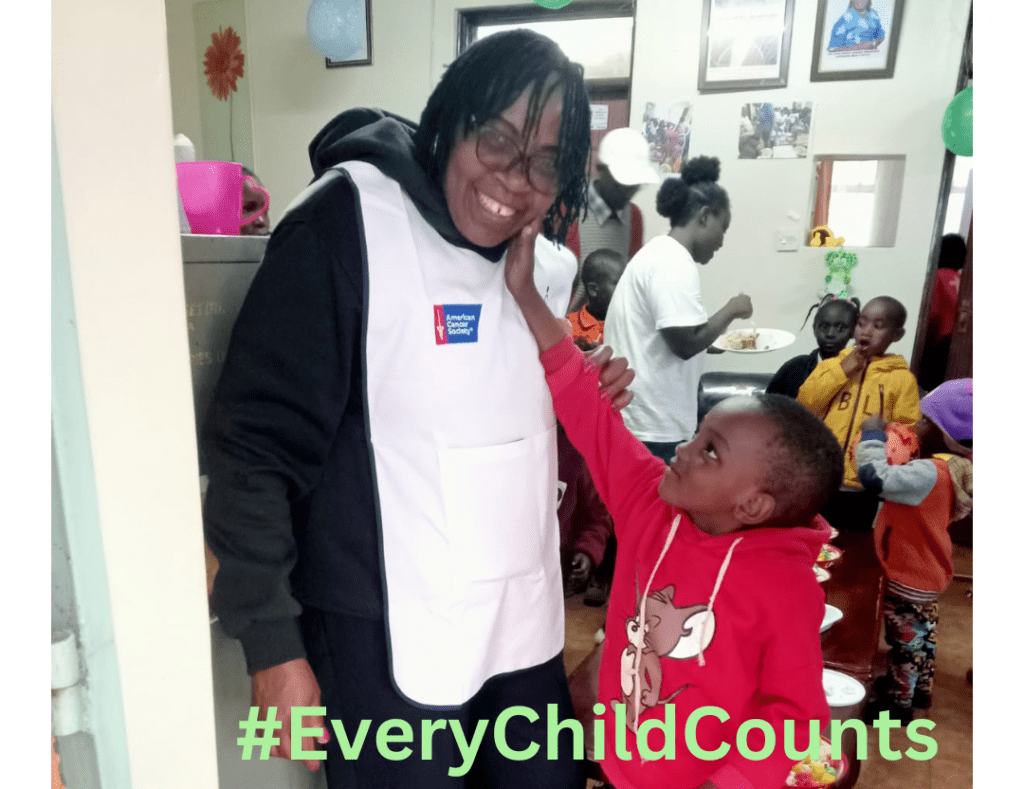
“Many people with chronic illnesses shy away from the hospice because they wrongly believe that coming here amounts to a death sentence. They treat it as a last option, and therefore postpone palliative care until their conditions are really bad. In particular, they do not bring children. We have only a few children in our care, yet many die every day that we could have helped.

Barnard and Nurse Catherine Aguonga

 Children who are terminally ill need a lot of support, not just medically, but also to cater for their psychological and social wellbeing. They need to be happy so that their treatment can work better. Playing contributes to good health of the children, which is the reason the Hospice is keen to provide them with toys. The toys are donations, but they are not enough for all the children in the cancer wards here in Nairobi, let alone the rest of the country. 

There are very many terminally ill children, but very few people with the training and skills to care for them. Ideally, the Nairobi Hospice should have ten workers, but we are only five, three of whom are seconded by the Government because the Hospice can only afford to hire two. If we are to cater well for all the children who are sick in the hospitals and at home, we need open more Hospices around the country and train staff who can take care of these children, some of whom are very young. As it is, many die in a lot of pain and neglect because there is no one who knows what to do for them when they get sick.

A big part of the problem is that health workers do not understand the concept of palliative care, and that if their patients were exposed to it early they have better chances of improving their quality of life. Hospitals and hospices play different but complementary roles. Hospitals use a intensive curative approach for treatment – with procedures such as chemotherapy and radiotherapy. What we do at the hospice is to make sure that the patient is comfortable and free from symptoms like pain and infection. The medicines are free. Above all, the psychological support provided by the Hospice produces marvelous results – including social wellbeing, peace of mind and dignity.

The Hospice hosts support groups which provide encouragement for our clients. When we can afford it, we also give them food baskets. This makes a big difference, say for people who are on ARVs because they need to be eating well. Hospital care is important, but the Hospice ensures that patients get wholesome care. If only people knew …”